Edition Lisbon 2023
CONTEST TASK PRESENTATION
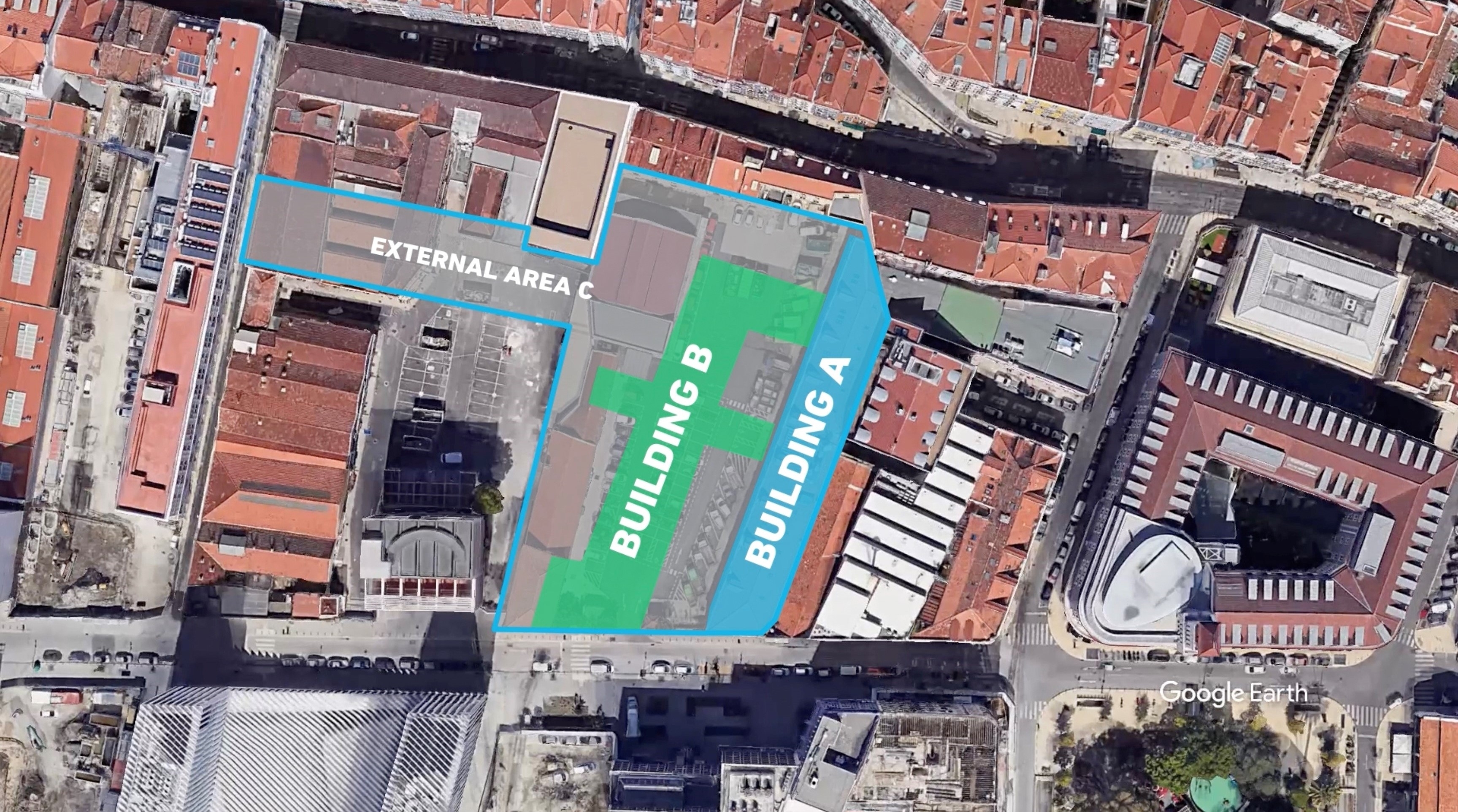
Lisbon is the capital and the largest city of Portugal, with an estimated population of 544,851 within its administrative limits in an area of 100.05 km2 . Lisbon's urban area extends beyond the city's administrative limits with a population of around 2.7 million people, being the 10th-most populous urban area in the European Union. The historic center of the city is made up of seven hills, some of which are too narrow for vehicles to pass through. The city uses three funiculars and an elevator. The western part of the city is occupied by the Monsanto Park, one of the largest urban parks in Europe, with an area of almost 10 km². Lisbon has gained ground from the river with successive landfills, especially from the 19th century onwards. These landfills allowed the creation of avenues, the implementation of railway lines and the construction of port facilities and even new urbanizations such as Parque das Nações and facilities such as the Belém Cultural Center.
The Lisbon Municipal Master Plan extends the concept of urban rehabilitation to the entire municipal territory, since the available land for new construction becomes less. With it, the private rehabilitation of buildings is supported by intervention in the community space.
Furthermore, aims to associate mobility to the qualification and enjoyment in the public space by the community itself, moderating car circulation and promoting smooth ways of transportation. The environment is a structural subject of the Plan, by the implementation and development of the Municipal Ecological Structure that aims to ensure the continuity of natural systems. The Plan also wants to promote a change from a radio concentric model of city organization to a more neighborhood based pattern.
Bringing continuity to the efforts and positive actions of the previous plans, with a visionary look at the present and aiming for the future, the Municipal Master Plan materializes a territorial development strategy, guided by 7 major objectives that will guide the development of the city: attract more inhabitants; attract more companies and jobs; boost urban rehabilitation; qualify the public space; return the riverfront to the people; promote sustainable mobility; encouraging environmental efficiency.
Making Lisbon visible and relevant in global and national networks, the regeneration of the consolidated city and urban qualification are the focus and priorities of the vision for the City.
Documentation
Winners

2nd Prize
3rd Prize
Projects
Discover the past projects of the 2023 edition